
Halloween doesn't have to be overwhelming for individuals with sensory sensitivities. With thoughtful planning and creative adaptations, this beloved holiday can become an inclusive celebration that everyone can enjoy, regardless of their sensory needs.
Understanding Halloween's Sensory Challenges
Traditional Halloween celebrations present unique sensory obstacles that can be overwhelming for many individuals. Flashing lights, loud decorations, scratchy costumes, crowded spaces, and intense textures from activities like pumpkin carving can trigger sensory overload. The combination of visual, auditory, and tactile stimuli during Halloween can be particularly challenging for people with autism, ADHD, sensory processing disorders, or other neurological differences.
Understanding these challenges helps families and communities create more inclusive experiences. Common sensory triggers during Halloween include sudden loud noises from animatronic decorations, bright strobe lights, unfamiliar textures in costumes, crowded spaces during trick-or-treating, and overwhelming scents from artificial fog machines. By identifying these potential issues ahead of time, we can develop strategies to minimize their impact.
Creating Sensory-Friendly Costumes
Comfort-First Approach
The key to sensory-friendly costumes is prioritizing comfort over traditional expectations. Start with soft, familiar clothing as your base - think cozy sweatshirts, favorite pajamas, or well-worn t-shirts. Transform these everyday items into Halloween magic by adding simple details like felt shapes, fabric markers, or removable accessories.
Consider fabric textures carefully when selecting costume materials. Avoid scratchy fabrics, tight-fitting items, or costumes with multiple layers that might cause overheating. Instead, choose breathable materials like cotton or soft fleece that won't irritate sensitive skin. For children who dislike having things on their heads, try face paint instead of masks, or create simple headbands with themed decorations.
Easy DIY Options
Turn a black sweatshirt into a bat costume by adding fabric "wings" under the arms, or create a jack-o'-lantern look with orange clothing and black marker details. For ultimate comfort, use soft pajamas as skeleton costumes with white fabric paint or removable tape details that can be adjusted throughout the evening.
Consider mobility needs when designing costumes. Ensure that wheelchairs, walkers, or other assistive devices can be incorporated into the costume design rather than hidden. A wheelchair can become a race car, spaceship, or magical carriage with some creative decoration that celebrates rather than conceals adaptive equipment.
Sensory-Rich Halloween Activities
Halloween Sensory Bins
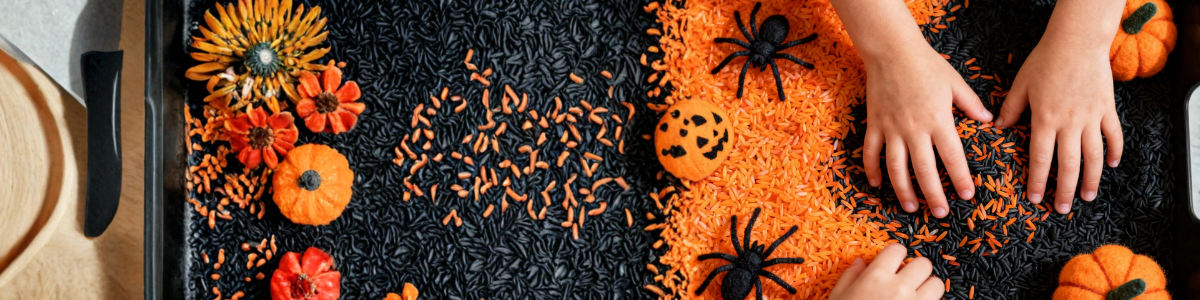
Sensory bins offer controlled sensory experiences that can be customized for individual preferences and tolerance levels. These activities provide the Halloween excitement without the unpredictability of traditional celebrations. Create themed bins using materials like:
-
Orange spaghetti with hidden Halloween toys for tactile exploration
-
Black beans and red lentils with stretchy worms and squishy eyeballs for deep pressure input
-
Moon sand made from flour, oil, and pumpkin puree for safe, edible exploration
-
Coffee grounds as "dirt" for graveyard-themed digging activities that provide proprioceptive feedback
-
Rice dyed with food coloring for a less messy option that still provides tactile stimulation
These bins can be prepared ahead of time and used repeatedly throughout the Halloween season, providing familiar sensory experiences that children can return to when feeling overwhelmed.
Alternative Pumpkin Activities
Skip traditional carving and try pumpkin finger painting for tactile stimulation and motor skill development. The smooth texture of paint on pumpkin skin provides a unique sensory experience while creating beautiful decorations. Create natural sensory experiences by letting children explore pumpkin seeds and pulp - this provides controlled messy play while strengthening hand muscles and providing deep pressure input.
For those who prefer less messy activities, try decorating pumpkins with stickers, markers, or adhesive foam shapes. This allows for creative expression without the sensory challenges of wet or sticky materials. Miniature pumpkins can be used for sorting activities, counting games, or as props for imaginative play scenarios.
Calming Craft Options
Paper plate spiders, toilet paper roll monsters, and stress ball decorating provide fine motor practice while creating Halloween decorations. These activities can be adapted for different sensory preferences and skill levels, with options for both high and low sensory input.
Consider creating "Halloween calm-down kits" filled with themed fidget toys, scented putty, and soft textures. These kits can be personalized for each individual's sensory preferences and used during potentially overwhelming moments throughout the Halloween season.
Making Trick-or-Treating Accessible
Timing and Location Strategies
Choose quieter neighborhoods and go out earlier when crowds are smaller and decorations may not be at full intensity. Practice the route beforehand to familiarize children with the experience and identify potential sensory triggers such as houses with particularly loud or bright decorations.
Create a "sensory map" of your trick-or-treating route, noting which houses have calm decorations versus more intense displays. This allows families to make informed decisions about which houses to visit based on their comfort level. Consider establishing a "safety word" that signals when someone needs a break or wants to skip a particular house.
Alternative Celebration Methods
Consider hosting sensory-friendly Halloween parties at home with controlled lighting, manageable sound levels, and familiar foods. Create "treasure hunts" indoors using Halloween-themed items for children who may find traditional trick-or-treating overwhelming. These alternatives provide the excitement of Halloween without the unpredictable sensory challenges of public celebrations.
Set up different stations throughout your home with various Halloween activities - a quiet craft corner, a more active game area, and a calm space for breaks. This allows participants to move between activities based on their current sensory needs and energy levels.
Halloween Sensory Support from AdaptStore
Make this Halloween comfortable and fun for everyone with our sensory-friendly products:
-
Noise-Reducing Headphones - Perfect for managing loud decorations, crowds, and unexpected Halloween sounds
-
Weighted Lap Pads - Provide calming deep pressure during Halloween movies, parties, or quiet time
-
Chewable Jewelry & Fidget Tools - Help manage anxiety during exciting activities and provide non-food treats that offer ongoing sensory support
-
Sensory Bins & Tactile Toys - Create controlled Halloween sensory experiences at home
? SPECIAL HALLOWEEN PROMOTION: Save up to 30% on ALL sensory products! Perfect timing to stock up on tools that make every celebration more inclusive.
Supporting Sensory Success Beyond Products
While helpful tools can make Halloween more manageable, creating truly inclusive experiences requires community understanding and environmental modifications. Consider reaching out to neighbors to discuss sensory-friendly approaches to decorating - many people are happy to accommodate when they understand the impact of their choices.
Work with schools and community organizations to promote sensory-friendly Halloween events. These might include earlier trick-or-treat times, quiet zones at parties, or alternative activities for those who find traditional celebrations overwhelming. Such initiatives benefit not only individuals with diagnosed sensory needs but also anyone who appreciates calmer, more inclusive celebrations.
Building Community Understanding
Halloween offers an excellent opportunity to educate others about sensory needs and inclusive practices. Consider using color-coded pumpkins as communication tools - blue pumpkins signal autism awareness, while teal pumpkins indicate non-food treats are available for those with allergies or dietary restrictions.
Share information about sensory-friendly practices on social media or neighborhood apps. Many people want to be inclusive but simply don't know how. Providing practical tips like using steady lights instead of flashing ones, or offering alternatives to loud doorbell sounds, can make a significant difference in community accessibility.
The Lasting Impact of Inclusive Celebrations
Creating inclusive Halloween experiences benefits entire communities by demonstrating that celebrations can be adapted without losing their magic. When we make Halloween accessible for individuals with sensory sensitivities, we create more welcoming environments that enhance everyone's enjoyment of this spooky season.
This Halloween, let's focus on creating memories filled with joy, comfort, and inclusion - proving that the best treats come from ensuring everyone can participate in the magic of the season.